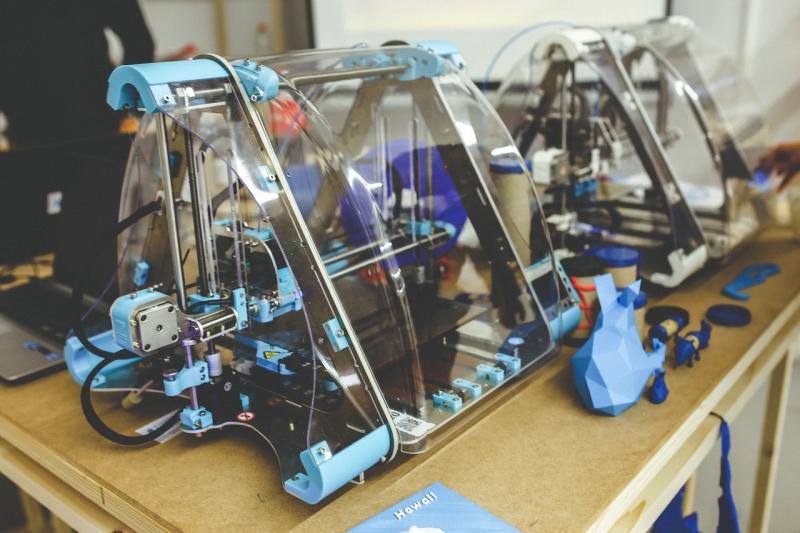
3D printing can open up a world of opportunities for your small business. Getting started doesn’t have to be daunting. First, you’ll want to choose the right printer. There are loads of options available, from budget-friendly models to professional-grade machines. Consider what you'll be printing. Are you focusing on prototypes, custom designs, or perhaps small-scale manufacturing? This will help you narrow down the choices.
Next, familiarize yourself with slicing software. This is the tool that prepares your 3D models for printing. Programs like Cura or PrusaSlicer are user-friendly and great for beginners. You'll start by uploading your design and adjusting settings like layer height, print speed, and temperature. It might feel overwhelming at first, but play around with the settings to see how they affect your prints. You'll pick it up in no time.
Don’t forget about materials! Filaments come in various types, including PLA, ABS, and PETG. For beginners, PLA is often the best choice since it’s easy to work with and available in tons of colors. As you gain experience, you can explore other materials to see what works best for your projects.
Lastly, join a community! There are many online forums and local meetups where you can connect with fellow 3D printing enthusiasts. They can offer tips, answer your questions, and inspire you with their own projects. Plus, it’s a great way to stay updated on the latest trends and technologies in 3D printing.
Choosing the Right 3D Printer
Next, consider your budget. There are fantastic options out there for any price range. Entry-level printers work well for beginners, while more advanced models give you lots of features like dual extrusion or a larger build volume. Decide how much you're willing to invest upfront and how that fits into your plans.
Don’t forget about ease of use! If you’re new to 3D printing, look for user-friendly models. Features like touchscreen interfaces and automatic bed leveling can save you a lot of headaches. Reading reviews from other users can also give you insight into how each machine performs in real life.
Lastly, check the support and community around the printer. A strong online community can be super helpful when you run into questions. Reliable customer service from the manufacturer is also a plus. You’ll want to feel supported as you get your business off the ground with 3D printing.
Essential Materials for Your Business
When you’re starting your small business with 3D printing, having the right materials is crucial. The type of filament or resin you choose can make or break your projects, so let’s dive into some essentials you should consider.
First up, PLA (Polylactic Acid) is a favorite among beginners. It’s super easy to print with, doesn’t warp much, and comes in a rainbow of colors. Plus, it’s biodegradable, which is a nice bonus if you care about the environment. If you’re printing something that needs to endure a bit of heat or stress, ABS (Acrylonitrile Butadiene Styrene) is your friend. It’s tougher and holds up better under pressure, making it great for functional parts.
If you want to get fancy, try PETG (Polyethylene Terephthalate Glycol). It combines the best of both worlds: it’s durable like ABS but prints as easily as PLA. It's also resistant to moisture, which is a plus if your products might get a bit wet.
Don’t forget about specialty filaments too! There’s a variety out there, like flexible TPU (Thermoplastic Polyurethane) for stretchy items or nylon for strong, durable prints. If you’re feeling adventurous, you can even find filaments infused with materials like metal or wood for unique textures.
No matter what materials you pick, make sure you have a good supply on hand. Running out of filament mid-project can be frustrating and delay your business plans. Stocking up ensures you stay on track and keep bringing your awesome ideas to life.
Tips for Marketing Your 3D Products
Marketing your 3D products might seem tricky at first, but with the right approach, you can catch people's attention and start making sales. First things first, showcase your products. Use high-quality images from different angles to show every detail. Customers love seeing what they'll get, so make sure your pictures pop!
Next, leverage social media. Platforms like Instagram and Facebook are perfect for visual products. Share eye-catching photos, behind-the-scenes looks at your printing process, and even videos of your products in action. Engage with your audience by responding to comments and sharing user-generated content. It builds trust and community.
Email marketing is another great way to reach potential customers. Create a mailing list and send out newsletters featuring your latest products, special promotions, and upcoming events. This keeps your brand fresh in their minds and encourages repeat business.
Don't forget about online marketplaces! Sites like Etsy or eBay are fantastic for getting your products in front of a wider audience. They have built-in customer bases that are already looking for unique items, so it’s a win-win!
Finally, think about collaborations. Teaming up with influencers or other small businesses can help spread the word about your products. Find people who align with your brand and have a following that would be interested in what you offer. It’s a smart way to reach new customers and grow your business.